
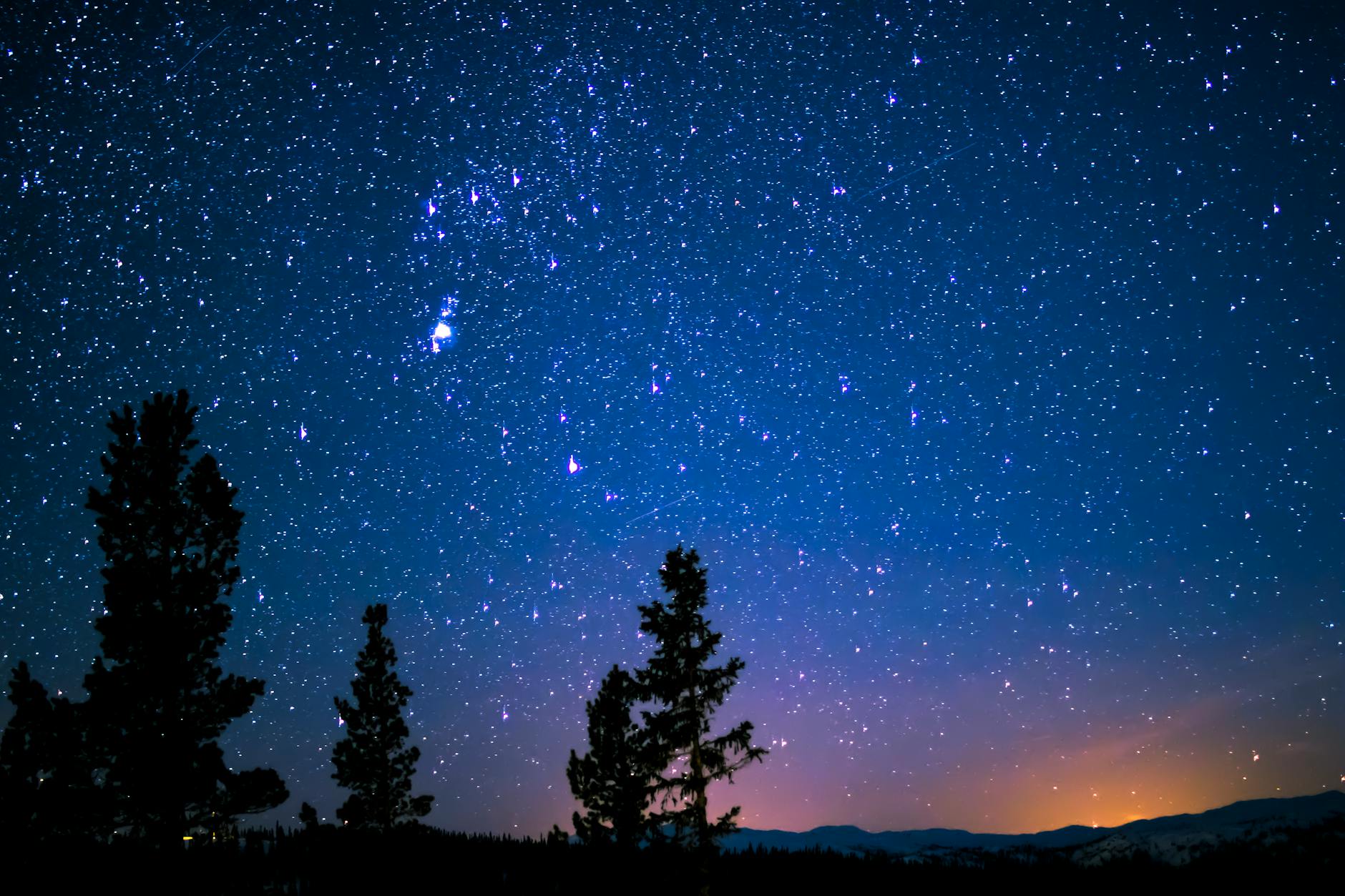
There’s something deeply humbling about staring up at a night sky filled with stars – a view that’s becoming increasingly rare thanks to growing light pollution across the globe. But in certain corners of Europe, the skies still come alive after sunset, revealing constellations, planets, and even the shimmering arc of the Milky Way with the naked eye.
Welcome to Europe’s Dark Sky Parks: protected areas that have been officially recognised for their outstanding stargazing conditions. Whether you’re a seasoned astronomer or simply want to marvel at the universe without a telescope, these destinations promise a celestial experience that rivals any planetarium.
Here are some of the best Dark Sky Parks in Europe where you can witness the stars in all their glory.
9 Best Dark Sky Areas to Visit in Europe
1. Galloway Forest Park, Scotland
The UK’s first Dark Sky Park, Galloway Forest Park offers one of the darkest skies in Europe. Located in south-west Scotland, it spans over 300 square miles of woodland, glens and rugged hills.
On a clear night, visitors can see over 7,000 stars and planets with the naked eye, and sometimes even the Northern Lights. The park is easily accessible and offers guided stargazing events for beginners and enthusiasts alike.
Why visit? It’s a rare spot in the UK where you can see the Milky Way and experience near-total darkness.
🌌 Dark Sky Status: International Dark Sky Park (Gold Tier)
📍 Country: Scotland, UK
🔭 Best Time to Visit: Autumn to spring (for longer nights and clear skies)
🌿 Bonus: Great hiking trails and wildlife spotting by day

2. Cévennes National Park, France
France’s only International Dark Sky Reserve, Cévennes offers dramatic mountain scenery by day and a stellar celestial show by night. Located in the south of France, its remoteness and minimal light pollution make it an ideal destination for stargazing.
From its high vantage points, the park offers clear, panoramic views of the Milky Way, especially in summer months.
Why visit? Combine wine, wilderness and the wonders of the night sky in one of France’s most beautiful regions.
🌌 Dark Sky Status: International Dark Sky Reserve
📍 Country: France
🔭 Best Time to Visit: June to September
🌿 Bonus: Charming villages, wild swimming and star parties in summer

3. Teide National Park, Tenerife, Canary Islands
At over 2,300 metres above sea level, Teide National Park offers one of the clearest views of the night sky in Europe. The dry, stable climate and lack of light pollution (and clouds) make it a prime spot for astrophotography and naked-eye stargazing.
The volcanic landscape only adds to the otherworldly experience – you’ll truly feel like you’ve stepped onto another planet.
Why visit? It’s one of the top stargazing destinations in the world and incredibly accessible from Europe.
🌌 Dark Sky Status: Starlight Tourist Destination
📍 Country: Spain (Canary Islands)
🔭 Best Time to Visit: Year-round, especially new moon periods
🌿 Bonus: Combine your visit with a cable car trip up Mount Teide or guided astronomy tours

4. Rhön Biosphere Reserve, Germany
This UNESCO-designated biosphere reserve in central Germany is also one of Europe’s first Dark Sky Parks. Known for its rolling hills and open landscapes, Rhön offers ideal viewing conditions far from urban light pollution.
There are dedicated stargazing spots with information boards, plus regular astronomy events for all ages.
Why visit? It’s a peaceful, accessible destination where the cosmos feels close enough to touch.
🌌 Dark Sky Status: International Dark Sky Park
📍 Country: Germany
🔭 Best Time to Visit: Late summer to early winter
🌿 Bonus: Sustainable tourism and dark sky-friendly accommodation options

5. Eifel National Park, Germany
Another gem in Germany’s dark sky offering, Eifel is known for its pristine nature, volcanic history, and crystal-clear skies. With frequent astronomy events and well-marked stargazing trails, it’s an excellent choice for those who want a DIY or guided experience.
Why visit? A great all-round destination for nature lovers and stargazers, just a short drive from major German cities.
🌿 Bonus: Lake swimming, forest hikes, and volcanic landscapes
🌌 Dark Sky Status: International Dark Sky Park
📍 Country: Germany
🔭 Best Time to Visit: Spring and autumn

6. Järvsö, Sweden
Located in central Sweden, Järvsö is a quiet mountain village surrounded by lakes and forests – perfect for escaping light pollution. The area is increasingly popular for nature-based tourism, including Northern Lights spotting and dark sky viewing.
With clear, crisp nights, especially in winter, this serene spot allows you to see thousands of stars, the Milky Way, and occasional auroras.
Why visit? A peaceful Nordic retreat with superb views of the stars and the possibility of spotting the Northern Lights.
🌌 Dark Sky Quality: Excellent rural darkness
📍 Country: Sweden
🔭 Best Time to Visit: December to March for auroras, August to November for Milky Way viewing
🌿 Bonus: Lakeside cabins, winter sports and traditional Swedish saunas

7. Brecon Beacons, Wales
This national park in southern Wales was the first in Wales to be certified as an International Dark Sky Reserve. With its remote valleys, scenic hills, and ancient ruins, it offers a magical setting for stargazing.
The skies here are among the darkest in the UK, making it a fantastic place to spot meteor showers or the Milky Way on a clear night.
Why visit? Easy to reach from major cities, but remote enough to feel worlds away under the stars.
🌌 Dark Sky Status: International Dark Sky Reserve
📍 Country: Wales, UK
🔭 Best Time to Visit: October to April
🌿 Bonus: Waterfalls, hiking trails, and cosy countryside pubs

9. Val d’Orcia, Tuscany
Although not a certified Dark Sky Park, this UNESCO World Heritage Site is one of the most photogenic rural regions in Europe – and enjoys wonderfully dark skies, especially outside of high season.
The rolling hills and cypress-lined roads are iconic, and on clear nights you can easily view the Milky Way, especially from agriturismos or remote hilltops.
Why visit? Perfect for combining stargazing with wine tasting and scenic countryside drives.
🌌 Dark Sky Quality: Excellent rural darkness
📍 Country: Italy
🔭 Best Time to Visit: May to October
🌿 Bonus: Vineyards, medieval towns, and thermal springs

9. Triglav National Park, Slovenia
Slovenia’s only national park offers alpine lakes, soaring peaks, and unspoilt night skies. It’s not officially a Dark Sky Park, but the low light pollution and high elevations create ideal stargazing conditions.
Lake Bohinj, in particular, is a quiet, scenic spot to sit and watch the stars reflected in the water.
Why visit? A lesser-known gem in Europe, combining outdoor adventure with celestial views.
🌌 Dark Sky Quality: Very low light pollution in many areas
📍 Country: Slovenia
🔭 Best Time to Visit: Late spring through early autumn
🌿 Bonus: Hiking, kayaking, and authentic Slovenian cuisine

 Techno-Mads